March 26, 2026
By

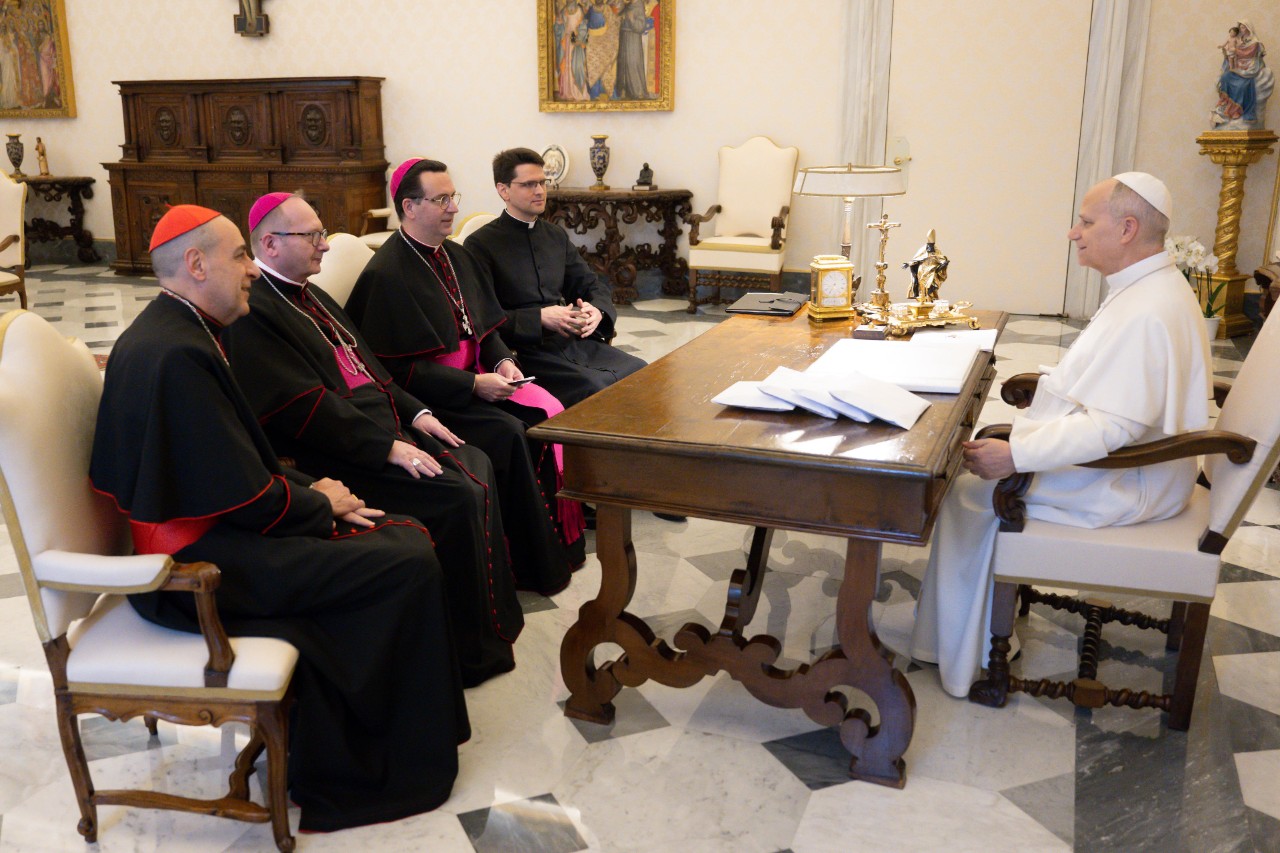
The following document, prepared by the Dicastery for the Doctrine of the Faith after the recent meeting in Rome with the Ordinariate bishops, offers a joyful and confident articulation of the Anglican patrimony as it is lived within the Catholic Church today.
Initiated by Cardinal Fernández, it is a clear sign of the Church’s deepening recognition of the distinctive gift the Ordinariates bring to the transmission of the faith.
Drawing on lived experience from across the world, it celebrates this “precious gift” as a living reality, one that continues to enrich the Church through beauty, vibrant pastoral life, evangelisation, and a profound sense of tradition.
During the Plenary Meeting of the Bishop Ordinaries of the Personal Ordinariates established under the Apostolic Constitution Anglicanorum Coetibus (2009), held at the Dicastery for the Doctrine of the Faith from 1 to 3 March 2026, His Eminence Cardinal Víctor Manuel Fernández, Prefect, invited the Bishops to describe the lived experience of the patrimony at the heart of their Ordinariates, as it relates to how they have received and integrated elements that came from the Anglican tradition.
The Bishops affirmed that, notwithstanding the vast geographical distances encompassed by their Ordinariates—from Inverness to Devon, from Edmonton to Orlando, from Perth to Sydney to Guam, and beyond—a core shared identity is indeed evident among Ordinariate communities wherever they are found.
This shared identity is rooted in a common path of following Christ that has led them into full communion with the Catholic Church. In entering, they brought with them that “worthy patrimony of piety and usage”¹ to which Pope Saint Paul VI referred when speaking about the Anglican heritage. It was precisely to enable such groups to enter into Catholic communion together, while preserving this patrimony, that Pope Saint John Paul II approved the Pastoral Provision in 1980, and that Pope Benedict XVI later promulgated the Apostolic Constitution Anglicanorum Coetibus in 2009. The Constitution itself describes this patrimony as “a precious gift […] and a treasure to be shared.”²\
In reflecting on the meaning and place of this patrimony, the Bishops recalled the homily that Cardinal Fernández gave at the episcopal ordination of Bishop David A. Waller at Westminster Cathedral on 22 June 2024. In that context, he observed that “the existence of the Ordinariate […] reflects a profound and beautiful reality about the nature of the Church and the inculturation of the Gospel, as a rich English heritage. For the Church is one, and the Gospel is one, but in the process of inculturation, the Gospel is expressed in a variety of cultures. In this way, the Church acquires a new face […] In this process, the Church not only gives but is also enriched. For, as Saint John Paul II taught, “every culture offers positive values and forms which can enrich the way the Gospel is preached, understood and lived.”³
The Ordinariate, the Prefect further affirmed, represents one particular expression of that reality: “In the case of the Ordinariate, the Catholic faith is inculturated among people who experienced the Gospel in the context of the Anglican Communion. As they entered into full communion with the Catholic Church, it was enriched. We can say, therefore, that each Ordinariate represents one of the faces of the Church, which, in this case, receives certain elements of the rich history of the Anglican tradition: elements that are now lived out in the fullness of Catholic communion.”⁴
Therefore, in response to the Prefect’s invitation to describe the lived experience of the patrimony, the Bishops identified several traits that they consider to be characteristic of the spiritual and pastoral heritage of the Ordinariates.
Considering these characteristics together, one sees how central the mystery of the Incarnation is to the patrimony preserved in the Ordinariates. The dignity of each person, the role of beauty, the richness of liturgical expression, concern for the poor, and reverence for the domestic church all flow from this same source: the Son of God, our only Savior (cf. Acts 4:12) and Mediator before the Father (cf. 1 Tim. 2:5), who, having become incarnate among us (cf. Jn. 1:14), suffering for us (cf. 1 Pt. 2:21), and rising from the dead, opened for us the way “so we too may walk in newness of life” (Rom. 6:4).
Finally, insofar as this patrimony is a way of receiving and living out the faith, the clergy and faithful of the Ordinariates recognize that it is a living reality, which looks to the future in the transmission of the faith to future generations (cf. Ps. 22:30-31; 78:4-7; 102:18). The patrimony they have inherited, therefore, not only equips the Ordinariates to welcome communities and individuals into full communion but also continues to shape their distinctive participation in the Church’s mission well into the future. In this way, as the Ordinariates grow organically, they offer a unique reflection of the face of the Church and a distinctive contribution to the living richness of her identity as “one, holy, catholic, and apostolic.”
References
¹ PAUL VI, Homily for the Canonization of Forty Martyrs of England and Wales (25 October 1970): AAS 62 (1970), 753.
² BENEDICT XVI, Ap. Const. Anglicanorum Coetibus (4 November 2009), III: AAS 101 (2009), 987.
³ Card. Víctor Manuel FERNÁNDEZ, Homily for the Episcopal Ordination of Bishop David A. Waller (22 June 2024), III, 8.
⁴ Ibid., III, 9.
⁵ Cf. F. WESTON, “Our Present Duty” (Anglo-Catholic Congress, London, 12 July 1923).
⁶ Cf. SECOND VATICAN ECUMENICAL COUNCIL, Const. Sacrosanctum Concilium (4 December 1963), par. 100: AAS 56 (1964), 124.
⁷ Cf. SECOND VATICAN ECUMENICAL COUNCIL, Dogm. Const. Lumen Gentium (21 November 1964), par. 11: AAS 57 (1965), 15-16.
⁸ PAUL VI, Address at the Basilica of the Annunciation (5 January 1964): AAS 56 (1964), 167.
⁹ Cf. SECOND VATICAN ECUMENICAL COUNCIL, Decl. Gravissimum Educationis (28 October 1965), par. 3: AAS 58 (1966), 731-732.
¹⁰ Cf. SECOND VATICAN COUNCIL, Constitution Sacrosanctum Concilium (4 December 1963), pars. 7, 48-51: AAS 56 (1964), 100-101, 113-114; Catechism of the Catholic Church, pars. 1088, 1346.
The following document, prepared by the Dicastery for the Doctrine of the Faith after the recent meeting in Rome with the Ordinariate bishops, offers a joyful and confident articulation of the Anglican patrimony as it is lived within the Catholic Church today.
Initiated by Cardinal Fernández, it is a clear sign of the Church’s deepening recognition of the distinctive gift the Ordinariates bring to the transmission of the faith.
Drawing on lived experience from across the world, it celebrates this “precious gift” as a living reality, one that continues to enrich the Church through beauty, vibrant pastoral life, evangelisation, and a profound sense of tradition.
During the Plenary Meeting of the Bishop Ordinaries of the Personal Ordinariates established under the Apostolic Constitution Anglicanorum Coetibus (2009), held at the Dicastery for the Doctrine of the Faith from 1 to 3 March 2026, His Eminence Cardinal Víctor Manuel Fernández, Prefect, invited the Bishops to describe the lived experience of the patrimony at the heart of their Ordinariates, as it relates to how they have received and integrated elements that came from the Anglican tradition.
The Bishops affirmed that, notwithstanding the vast geographical distances encompassed by their Ordinariates—from Inverness to Devon, from Edmonton to Orlando, from Perth to Sydney to Guam, and beyond—a core shared identity is indeed evident among Ordinariate communities wherever they are found.
This shared identity is rooted in a common path of following Christ that has led them into full communion with the Catholic Church. In entering, they brought with them that “worthy patrimony of piety and usage”¹ to which Pope Saint Paul VI referred when speaking about the Anglican heritage. It was precisely to enable such groups to enter into Catholic communion together, while preserving this patrimony, that Pope Saint John Paul II approved the Pastoral Provision in 1980, and that Pope Benedict XVI later promulgated the Apostolic Constitution Anglicanorum Coetibus in 2009. The Constitution itself describes this patrimony as “a precious gift […] and a treasure to be shared.”²\
In reflecting on the meaning and place of this patrimony, the Bishops recalled the homily that Cardinal Fernández gave at the episcopal ordination of Bishop David A. Waller at Westminster Cathedral on 22 June 2024. In that context, he observed that “the existence of the Ordinariate […] reflects a profound and beautiful reality about the nature of the Church and the inculturation of the Gospel, as a rich English heritage. For the Church is one, and the Gospel is one, but in the process of inculturation, the Gospel is expressed in a variety of cultures. In this way, the Church acquires a new face […] In this process, the Church not only gives but is also enriched. For, as Saint John Paul II taught, “every culture offers positive values and forms which can enrich the way the Gospel is preached, understood and lived.”³
The Ordinariate, the Prefect further affirmed, represents one particular expression of that reality: “In the case of the Ordinariate, the Catholic faith is inculturated among people who experienced the Gospel in the context of the Anglican Communion. As they entered into full communion with the Catholic Church, it was enriched. We can say, therefore, that each Ordinariate represents one of the faces of the Church, which, in this case, receives certain elements of the rich history of the Anglican tradition: elements that are now lived out in the fullness of Catholic communion.”⁴
Therefore, in response to the Prefect’s invitation to describe the lived experience of the patrimony, the Bishops identified several traits that they consider to be characteristic of the spiritual and pastoral heritage of the Ordinariates.
Considering these characteristics together, one sees how central the mystery of the Incarnation is to the patrimony preserved in the Ordinariates. The dignity of each person, the role of beauty, the richness of liturgical expression, concern for the poor, and reverence for the domestic church all flow from this same source: the Son of God, our only Savior (cf. Acts 4:12) and Mediator before the Father (cf. 1 Tim. 2:5), who, having become incarnate among us (cf. Jn. 1:14), suffering for us (cf. 1 Pt. 2:21), and rising from the dead, opened for us the way “so we too may walk in newness of life” (Rom. 6:4).
Finally, insofar as this patrimony is a way of receiving and living out the faith, the clergy and faithful of the Ordinariates recognize that it is a living reality, which looks to the future in the transmission of the faith to future generations (cf. Ps. 22:30-31; 78:4-7; 102:18). The patrimony they have inherited, therefore, not only equips the Ordinariates to welcome communities and individuals into full communion but also continues to shape their distinctive participation in the Church’s mission well into the future. In this way, as the Ordinariates grow organically, they offer a unique reflection of the face of the Church and a distinctive contribution to the living richness of her identity as “one, holy, catholic, and apostolic.”
References
¹ PAUL VI, Homily for the Canonization of Forty Martyrs of England and Wales (25 October 1970): AAS 62 (1970), 753.
² BENEDICT XVI, Ap. Const. Anglicanorum Coetibus (4 November 2009), III: AAS 101 (2009), 987.
³ Card. Víctor Manuel FERNÁNDEZ, Homily for the Episcopal Ordination of Bishop David A. Waller (22 June 2024), III, 8.
⁴ Ibid., III, 9.
⁵ Cf. F. WESTON, “Our Present Duty” (Anglo-Catholic Congress, London, 12 July 1923).
⁶ Cf. SECOND VATICAN ECUMENICAL COUNCIL, Const. Sacrosanctum Concilium (4 December 1963), par. 100: AAS 56 (1964), 124.
⁷ Cf. SECOND VATICAN ECUMENICAL COUNCIL, Dogm. Const. Lumen Gentium (21 November 1964), par. 11: AAS 57 (1965), 15-16.
⁸ PAUL VI, Address at the Basilica of the Annunciation (5 January 1964): AAS 56 (1964), 167.
⁹ Cf. SECOND VATICAN ECUMENICAL COUNCIL, Decl. Gravissimum Educationis (28 October 1965), par. 3: AAS 58 (1966), 731-732.
¹⁰ Cf. SECOND VATICAN COUNCIL, Constitution Sacrosanctum Concilium (4 December 1963), pars. 7, 48-51: AAS 56 (1964), 100-101, 113-114; Catechism of the Catholic Church, pars. 1088, 1346.