January 4, 2026
By
Fr Andrew Starkie
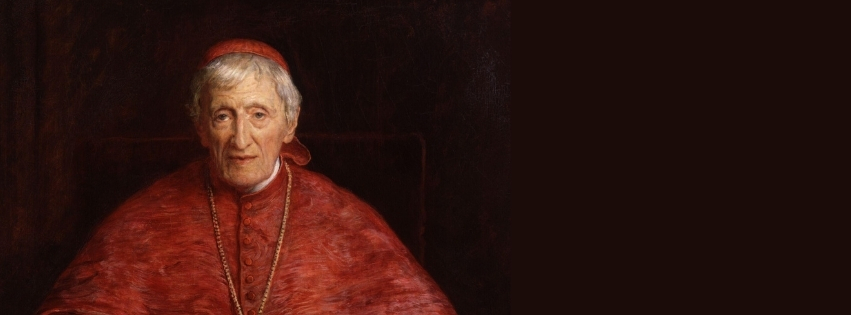
So ahead of his time was John Henry Newman, and so engaged with a variety of subjects, that his work, like a mustard seed, has grown and harboured many birds of the air. Without Newman, how would we have had the thought of Chesterton, Lewis, MacIntyre or Ratzinger? That being said, Newman’s writings are a fairly substantial mustard seed. Those who know the Apologia, for example, may not know the fiction, the sermons, or the letters. Newman’s writings (like dogmatic definitions) tended to be produced to meet some pressing need or circumstance, so his life and writings form a coherent whole, and need to be understood historically.
Michael Rear’s book provides a useful starting point to grasp the trajectory of Newman’s thought through the circumstances of his life. The book revises Rear’s 2010 publication Blessed John Henry Newman. The elevation of Newman, first as a Saint, and then as a Doctor of the Church, has accompanied a renewed interest in Newman, not just from within the Catholic Church, but in the wider worlds of education, society and culture. The address of the then Prince of Wales on the eve of the canonisation of Newman (reproduced as the Preface of the book) picks up on Newman’s wider cultural importance in our intolerant secular age — the Catholic doctrine of the Trinity as the model of peaceable difference, and the sanctity of individual conscience as the bulwark against (not the herald of!) ‘an overwhelming relativism’ (p. viii).
The Anglican Newman is dealt with fairly briefly, and provides the background to chapters on the legacy of the Oxford Movement (both within the Church of England, and in conversions to the Catholic Church), the Development of Doctrine, and Newman’s years as an Oratorian, often being misunderstood or frustrated within the Catholic Church he had now entered. This is the main focus of the book, culminating in Newman’s rehabilitation with his publication of the Apologia. There is a good explanation of Newman’s most complex work, the Grammar of Assent.
Those already familiar with the outline of Newman’s life and writings will also find an engaging commentary here on Newman’s ongoing importance in the life of the Catholic Church and beyond. Rear, for example, traces the modern ecumenical movement to the founding of the Association for the Promotion of the Unity of Christendom in 1857 (rather than the pan-Protestant World Missionary Conference of 1910, as has often been done). Newman was a kind but discouraging correspondent with the Association’s founder, Ambrose Phillips de Lisle (p. 29). Anglicanorum Coetibus is acknowledged among the fruits of Newman’s legacy; though he highly valued clerical celibacy (even in his Church of England days) Newman was in favour of such plans as had been advocated from time to time since the days of Archbishop Laud, which allowed for some married clergy, elements of Anglican liturgy and communion under both kinds, in communion with the See of Rome; sometimes, Newman noted to de Lisle, ‘a thing is in itself good, but the time has not come for it’ (p. 30).
The claim is sometimes erroneously made, that, because of the importance of conscience in his thought, Newman sanctifies dissent from Magisterial Church teaching, or, by his teaching on development of doctrine, justifies the Church bending to the zeitgeist. Rear, on the contrary, cites extensively from Newman’s Biglietto Speech, which both predicted and decried the secular relegation of religion to private opinion; he rightly notes, ‘So prophetic is it, so contemporary does it sound’ (p. 96).
A concluding selection of personal prayers composed by Newman reinforces the message of the book that Newman’s thought is inseparable from his own relationship with his Creator and Redeemer, and indeed with all the saints of God, in whose company he now has a distinctive place.
"Doctor of the Church: An Introduction to Saint John Henry Newman" is available to purchase here.
So ahead of his time was John Henry Newman, and so engaged with a variety of subjects, that his work, like a mustard seed, has grown and harboured many birds of the air. Without Newman, how would we have had the thought of Chesterton, Lewis, MacIntyre or Ratzinger? That being said, Newman’s writings are a fairly substantial mustard seed. Those who know the Apologia, for example, may not know the fiction, the sermons, or the letters. Newman’s writings (like dogmatic definitions) tended to be produced to meet some pressing need or circumstance, so his life and writings form a coherent whole, and need to be understood historically.
Michael Rear’s book provides a useful starting point to grasp the trajectory of Newman’s thought through the circumstances of his life. The book revises Rear’s 2010 publication Blessed John Henry Newman. The elevation of Newman, first as a Saint, and then as a Doctor of the Church, has accompanied a renewed interest in Newman, not just from within the Catholic Church, but in the wider worlds of education, society and culture. The address of the then Prince of Wales on the eve of the canonisation of Newman (reproduced as the Preface of the book) picks up on Newman’s wider cultural importance in our intolerant secular age — the Catholic doctrine of the Trinity as the model of peaceable difference, and the sanctity of individual conscience as the bulwark against (not the herald of!) ‘an overwhelming relativism’ (p. viii).
The Anglican Newman is dealt with fairly briefly, and provides the background to chapters on the legacy of the Oxford Movement (both within the Church of England, and in conversions to the Catholic Church), the Development of Doctrine, and Newman’s years as an Oratorian, often being misunderstood or frustrated within the Catholic Church he had now entered. This is the main focus of the book, culminating in Newman’s rehabilitation with his publication of the Apologia. There is a good explanation of Newman’s most complex work, the Grammar of Assent.
Those already familiar with the outline of Newman’s life and writings will also find an engaging commentary here on Newman’s ongoing importance in the life of the Catholic Church and beyond. Rear, for example, traces the modern ecumenical movement to the founding of the Association for the Promotion of the Unity of Christendom in 1857 (rather than the pan-Protestant World Missionary Conference of 1910, as has often been done). Newman was a kind but discouraging correspondent with the Association’s founder, Ambrose Phillips de Lisle (p. 29). Anglicanorum Coetibus is acknowledged among the fruits of Newman’s legacy; though he highly valued clerical celibacy (even in his Church of England days) Newman was in favour of such plans as had been advocated from time to time since the days of Archbishop Laud, which allowed for some married clergy, elements of Anglican liturgy and communion under both kinds, in communion with the See of Rome; sometimes, Newman noted to de Lisle, ‘a thing is in itself good, but the time has not come for it’ (p. 30).
The claim is sometimes erroneously made, that, because of the importance of conscience in his thought, Newman sanctifies dissent from Magisterial Church teaching, or, by his teaching on development of doctrine, justifies the Church bending to the zeitgeist. Rear, on the contrary, cites extensively from Newman’s Biglietto Speech, which both predicted and decried the secular relegation of religion to private opinion; he rightly notes, ‘So prophetic is it, so contemporary does it sound’ (p. 96).
A concluding selection of personal prayers composed by Newman reinforces the message of the book that Newman’s thought is inseparable from his own relationship with his Creator and Redeemer, and indeed with all the saints of God, in whose company he now has a distinctive place.
"Doctor of the Church: An Introduction to Saint John Henry Newman" is available to purchase here.